How to Find Halal Food in Japan: A Step-by-Step Tactical Guide for Tourists (2026)
A practical, day-by-day playbook for Muslim tourists visiting Japan in 2026. Pre-trip prep, airport arrival, hotels, halal-certified restaurants in Tokyo / Osaka / Kyoto, konbini and supermarket survival, prayer rooms, day trips, the JHA halal mark, and the apps that actually work (Halal Gourmet Japan, HalalNavi, HalalChecker AI for ingredient scanning).
Posted by
Related reading
Halal Food in the United States: 2026 Guide for Residents and Travelers
How Muslims in the US shop and eat halal in 2026. IFANCA, HMS, and IFANCC certification marks, halal availability at Walmart, Costco, Whole Foods, Trader Joe's, Kroger, HEB, Wegmans, ingredient pitfalls in mainstream packaged food, and city-by-city halal hubs in Dearborn, NYC, Houston, Chicago, the Bay Area, and DMV.
Halal Food in the UK: 2026 Guide for Residents and Travelers
How Muslims find halal food across the UK in 2026. The HMC vs HFA debate, halal ranges at Tesco, Sainsbury's, Asda, Morrisons, M&S, Waitrose, Aldi, and Lidl, hidden non-halal traps in sweets and ready meals, regional concentration in London, Birmingham, Leicester, Manchester, and Bradford, and which scanner apps work best in the UK.
Halal Food in Canada: 2026 Guide for Residents and Travelers
How Muslims in Canada find halal food in 2026. HMA, ISNA Canada, and IFANCC certification, halal availability at Loblaws, Sobeys, Metro, Walmart Canada, Costco, and No Frills, GTA halal hubs, Quebec considerations, and which scanner apps work for Canadian barcodes and ingredient lists.
Finding halal food in Japan as a tourist in 2026 is workable but takes preparation. The short playbook: install Halal Gourmet Japan and HalalNavi for restaurant lookup, install an ingredient-scanner app (HalalChecker AI or Halal Japan) for konbini and supermarket runs, anchor your trip in major cities (Tokyo, Osaka, Kyoto, Hiroshima) where JHA-certified restaurants exist, treat dashi, mirin, sake, and gelatin as the four ingredients to avoid, and use konbini items (plain onigiri, fresh fruit, sealed seafood) as your fallback when restaurants are closed or unfamiliar. Tokyo Camii in Yoyogi-Uehara and Osaka Camii are the largest mosques and are open to visitors. Prayer rooms exist at Narita, Haneda, and Kansai airports and at most major train stations and department stores.
This guide breaks the trip into eight tactical steps, from pre-trip prep through day trips. It complements our broader Japan halal traveler guide (full reference for residents and travelers) and our practical mirin halal guide (the most commonly asked ingredient question). Use this article as the action-oriented playbook, then dip into the others for specific topics.
Step 1: Install the Right Apps Before You Go
The single biggest difference between a stressful trip and a smooth one is having the right apps already installed before you land. The category breaks into three needs:
| Need | Recommended app(s) | What it does |
|---|---|---|
| Find halal restaurants | Halal Gourmet Japan, HalalNavi | Search halal-certified and Muslim-friendly restaurants by location, cuisine, and certification type |
| Scan packaged food | HalalChecker AI, Halal Japan | Read barcode, ingredient list (Japanese kanji), or product photo and return halal verdict |
| Prayer times and qibla | Muslim Pro, Athan | Five daily prayer times localized to Japanese cities, qibla compass |
| Maps and translation | Google Maps, Google Translate (offline pack) | Navigation; download Japanese offline pack for label reading without signal |
| Find prayer rooms | HalalNavi, Halal Trip | Maps of prayer rooms in airports, stations, and malls |
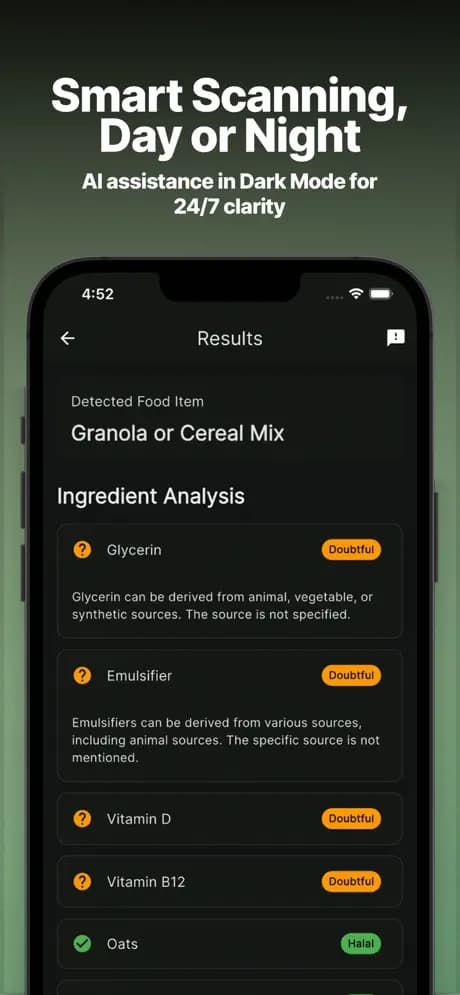
Halal Gourmet Japan is the dominant restaurant directory in Japan and the one Japanese tourism boards link to. HalalNavi and Halal Trip duplicate some of that coverage and add prayer rooms. For ingredient scanning, Halal Japan is Japan-specific with a community barcode database; HalalChecker AI is cross-platform and uses AI to analyze ingredients including Japanese kanji labels on demand. Many travelers install both scanner apps and use whichever returns a result faster.
Step 2: Arriving at Narita, Haneda, or Kansai
Plan your first meal before you land. Airport options:
- Narita Airport (NRT, Tokyo). Has prayer rooms in Terminals 1 and 2. Halal-certified restaurants include T's Tantan (vegan ramen) and selected branches of Royal Host with halal options. Multiple halal-friendly shops in the post-security area.
- Haneda Airport (HND, Tokyo). Prayer rooms in Terminals 1, 2, and 3. T's Tantan has a Haneda branch in Terminal 3 (international). A few halal-friendly cafes.
- Kansai International Airport (KIX, Osaka). Prayer rooms in both terminals. Halal-certified options include selected branches of Yoshinoya. Halal-marked packaged snacks at convenience stores.
- Other airports (NGO, FUK, CTS, NRT, OKA). All major Japanese airports now have prayer rooms; halal-restaurant availability is more limited.
On arrival, check the in-airport halal restaurant via Halal Gourmet Japan before leaving the secure area. If there is no halal option in the airport you land at, buy a packaged halal-friendly snack (sealed onigiri verified with a scanner, plain bread, fruit) for the train ride to your hotel.
Step 3: Pick Muslim-Friendly Accommodation
Hotels increasingly offer Muslim-friendly amenities, especially in Tokyo, Osaka, Kyoto, and Hiroshima. Look for:
- Prayer mat available on request. Standard at most international-chain hotels and many domestic mid-range hotels in tourist areas.
- Qibla indicator in the room. Increasingly common; some hotels print the qibla direction sticker on the room desk.
- Halal breakfast option. Less common but growing. Confirm in advance with the hotel; some properties offer a separate halal breakfast room or pre-packed halal breakfast box.
- Kitchenette or microwave. If you plan to self-cater for breakfast, choose an aparthotel or service apartment.
- Distance to a JHA-certified restaurant or mosque. Stay in Shinjuku, Shibuya, Ikebukuro, Asakusa, or Akihabara in Tokyo for the densest halal scene within walking distance.
Booking platforms (Booking.com, Agoda) now have a "Muslim-friendly" filter that surfaces relevant properties. Halal Trip maintains a Japan-specific list with specific amenity confirmation.
Step 4: Eating at Halal-Certified Restaurants
The big distinction in Japan is between halal-certified (audited by JHA, JMA, or NAHA) and Muslim-friendly (no pork or alcohol but the kitchen may not be certified). Decide your threshold before the trip and stick to it.
Halal-certified restaurants travelers report most often:
| Cuisine | Tokyo | Osaka | Kyoto |
|---|---|---|---|
| Halal Ramen | Naritaya, Ouca Halal Ramen, Shinjuku Gyoen Ramen Ouka | Naritaya Osaka, Ayam-Ya Halal Ramen | Naritaya Kyoto |
| Halal Wagyu / Yakiniku | Sumiyakiya, Han no Daidokoro | Yakiniku Panga, Saty Halal | Saty Halal Kyoto |
| Halal Sushi | Saka Halal, Sushi Tokyo Ten | JHA-certified branch of Sushi Sho | Selected halal-friendly omakase counters |
| Halal Indian / Pakistani | Asakusa Mosque area, Mughal in Shinjuku | Many around Namba | Around Kyoto Station |
| Halal Turkish / Lebanese | Areas around Tokyo Camii (Yoyogi-Uehara) | Around Osaka Camii | Smaller cluster near Kyoto Station |
| Halal Indonesian / Malaysian | Multiple in Otsuka and Shinjuku | Several in Namba and Tennoji | Limited; growing |
Verify each restaurant in Halal Gourmet Japan or HalalNavi before going. Listings update; certifications can lapse. Look for the JHA logo at the storefront and on the menu, not just the "halal" word in English.
Step 5: Konbini and Supermarket Survival
Japanese convenience stores (7-Eleven, Lawson, FamilyMart, Ministop) are everywhere and open 24/7. They are the practical backstop for any meal that does not work out at a restaurant. Default-safe items (verify each pack with a scanner):
- Plain onigiri. Salt (shio musubi), umeboshi (pickled plum), kombu (kelp), and most basic vegetable fillings are typically halal-friendly. Tuna mayo and salmon onigiri use halal fish in most schools but verify the specific pack for any added animal-source flavorings.
- Plain shokupan (Japanese white bread). Mostly halal-friendly but watch for emulsifiers (E471) and shortening of unspecified source.
- Fresh fruit, hard-boiled eggs, plain milk.
- Pre-packed salads without dressing, plus vegetarian sushi (kappa maki, oshinko maki, inari is variable).
- Plain yogurt without gelatin (verify; many Japanese yogurts contain gelatin).
- Sealed seafood like salmon teriyaki without alcohol-based sauce, or grilled fish sets where the seasoning is salt-only. Verify with a scanner.
- Halal-certified packaged snacks such as Halal Pocky variants imported from Thailand, JHA-certified instant ramen.
Avoid: hot-counter items (most contain dashi, mirin, or pork broth), gelatin desserts, most ready meals, mayo-heavy items with unspecified emulsifiers, and anything with the word "sake" or "mirin" in the ingredient list. For a Pocky-specific breakdown, see our Pocky in Japan halal guide.
Step 6: What to Watch for in "Regular" Japanese Food
Even seemingly simple Japanese dishes often contain non-halal ingredients. The four big traps:
- Dashi. The umami stock in nearly every soup and sauce. Bonito-fish dashi is halal in most schools, but pork-bone dashi (tonkotsu base) and chicken-stock dashi from non-zabihah chickens are not. The label may not specify.
- Mirin and sake. Used in teriyaki sauces, glazes, broths, and even basic sushi rice vinegar. The mainstream Sunni position is that these are haram as ingredients regardless of how much alcohol cooks off. See our practical mirin halal guide for the four-madhab breakdown.
- Pork-derived gelatin. Common in Japanese desserts, jellies, gummies, yogurts, and even some ramen broths.
- Lard / pork fat in "chicken" or "vegetable" ramen. Many ramen broths labelled chicken or vegetable are finished with pork fat or tonkotsu at the kitchen level even when the menu does not say so.
If a restaurant does not advertise as halal-certified, assume that miso soup, ramen, teriyaki, tonkatsu, gyoza, and most sauces include at least one of these. Vegetarian and vegan dishes are often safer than Japanese vegetarian (which can still use bonito dashi) but always confirm.
Step 7: Prayer Times and Mosques
Prayer rooms have proliferated across Japan in the past five years, especially in tourist-heavy areas:
- Airports. Narita, Haneda, and Kansai have dedicated prayer rooms in all major terminals.
- Train stations. JR Tokyo Station, Shinjuku, Shibuya, Shin-Osaka, and Kyoto Station have prayer rooms or quiet rooms that can be used for prayer.
- Department stores and malls. Takashimaya flagship stores, major Mitsukoshi, Lalaport malls, and Aeon Mall locations frequently include prayer rooms.
- Tokyo Camii (Yoyogi-Uehara). The largest mosque in Japan, modeled on Ottoman architecture. Open to visitors.
- Osaka Camii. Major mosque in Osaka, open to visitors.
- Other mosques. Asakusa, Otsuka, Hiroo, Ebina (Tokyo); Kobe Mosque (the oldest in Japan); Hiroshima Mosque; Sapporo Mosque.
HalalNavi and Halal Trip apps map prayer rooms with photos, opening hours, and amenities (wudu facilities, gender separation).
Step 8: Day Trips and Rural Areas
Outside major cities, halal options drop off sharply. For day trips and rural visits:
- Plan halal breakfast and dinner in your base city. Eat halal at the start and end of the day in Tokyo, Osaka, or wherever you are based.
- Pack a portable lunch. Buy konbini items in the morning before you leave, verified with a scanner. Plain onigiri, fruit, sealed snacks, and water travel well.
- Research the destination's halal options first. Hakone, Nikko, Kamakura, Mount Fuji, Nara, Hiroshima, and Miyajima have one or two halal-friendly restaurants each. Search Halal Gourmet Japan before going.
- Use a scanner app at rural konbinis. The same Lawson or FamilyMart you find in Tokyo usually carries the same SKUs in rural areas, so the scanner verdicts transfer.
- Vegetarian fallback. Modern vegan restaurants (often labelled with English "vegan" signage) are usually safer than traditional shoujin ryouri (Buddhist vegetarian) which can still contain bonito dashi.
City-Specific Quick Plays
Tokyo
Stay in Shinjuku, Shibuya, or Asakusa. Anchor halal meals at Naritaya (ramen), Sumiyakiya (yakiniku), and the Yoyogi-Uehara cluster around Tokyo Camii (Turkish, Indonesian, Indian). Konbini-friendly area: 7-Eleven and FamilyMart in Shinjuku station are 24/7. Prayer rooms: Tokyo Camii, Takashimaya Shinjuku, Tokyo Station.
Osaka
Stay in Namba or Shinsaibashi. Anchor halal meals at Naritaya Osaka and the area around Osaka Camii. The Kuromon Ichiba market has limited but growing halal-friendly stalls. Konbini-friendly area: Lawson and 7-Eleven near JR Namba. Prayer rooms: Osaka Camii, Kansai Airport, Shin-Osaka Station.
Kyoto
Smaller halal scene than Tokyo or Osaka. Anchor halal meals at Naritaya Kyoto, Saty Halal, and a handful of halal-friendly shojin-style restaurants. Stay near Kyoto Station for convenience. Plain konbini items work for breakfast.
Hiroshima
Limited halal options. Anchor at one or two halal-friendly restaurants near Hiroshima Station and Peace Memorial Park. Halal okonomiyaki options exist but are rare. Plan self-catered or konbini-based lunches.
Sapporo, Fukuoka, Nagoya, Sendai
Each has a small halal cluster around the main mosque or university Muslim student community. Plan one or two halal-certified meals per day and use konbini for the rest.
Common Mistakes Tourists Make
- Trusting that "Muslim-friendly" means halal. It usually does not. Muslim-friendly often means the meat is sourced halal but the kitchen still uses alcohol-based sauces or shares utensils with pork.
- Eating ramen without verifying the broth. Standard Japanese ramen broth contains pork, mirin, or sake. Always check whether the specific bowl is halal.
- Assuming sushi is fine because it is just fish and rice. Sushi rice is seasoned with mirin or sake in the vinegar mix at most non-halal restaurants.
- Ignoring konbini hot-food sections. The hot-counter items (oden, fried chicken, steamed buns) usually contain dashi, mirin, or pork. Stick to sealed shelf items.
- Not verifying the halal mark. Some restaurants display old or unrecognized halal logos. Confirm the certifier (JHA, JMA, NAHA) and cross-check on Halal Gourmet Japan.
- Skipping the airport prayer room and getting caught short later. Pray on arrival before heading into the city; first-day jet lag plus unfamiliar navigation often make subsequent prayers harder to plan.
Frequently Asked Questions
Is it hard to eat halal in Japan as a tourist?
It is harder than in Singapore or the UK but much easier than a decade ago. In Tokyo, Osaka, Kyoto, and Hiroshima you can plan a full multi-day visit on JHA-certified restaurants and Muslim-friendly hotels. Outside major cities, it is hard and usually means self-catering or vegetarian-by-default fallbacks. The four hardest ingredients to avoid are dashi, mirin, sake, and pork-derived gelatin.
What apps should I install before visiting Japan?
The standard set is: Halal Gourmet Japan and HalalNavi for restaurant lookup, Muslim Pro for prayer times and qibla, Google Maps for navigation, and an ingredient scanner like HalalChecker AI or Halal Japan for konbini and supermarket products. HalalChecker AI reads Japanese kanji and katakana labels and works on barcodes, ingredient lists, and product photos.
What is the difference between halal-certified and Muslim-friendly?
Halal-certified means a recognized body (JHA, JMA, NAHA) has audited the kitchen. Muslim-friendly typically means the meat is halal-sourced but the kitchen may serve alcohol, share utensils with pork, or use mirin in some dishes. For strict observance, choose halal-certified. For flexibility, decide your own threshold before the trip and stick to it across all restaurants.
Is konbini food safe to eat in Japan as a Muslim?
Some konbini items are typically halal-friendly: salt onigiri, umeboshi onigiri, plain bread, fresh fruit, hard-boiled eggs, plain yogurt without gelatin, and sealed seafood items. Avoid hot-counter items (most contain dashi or pork), gelatin desserts, and most prepared meals. Use a scanner app to verify any specific pack.
Is sushi halal in Japan?
Standard Japanese sushi rice is seasoned with vinegar that often contains mirin or sake, so even basic plain sushi is typically not halal at non-certified restaurants. Halal-certified sushi exists in Tokyo and Osaka (look for the JHA mark). Vegetarian sushi like kappa maki and oshinko maki at non-certified places is closer to halal but rice seasoning still applies.
Where can I pray in Japan as a tourist?
Prayer rooms are available at Narita, Haneda, and Kansai airports, at major Tokyo and Osaka department stores (Takashimaya, Mitsukoshi, Lalaport malls), at JR Tokyo, Shinjuku, and Shin-Osaka stations, and at major shopping districts. Tokyo Camii (Yoyogi-Uehara) and Osaka Camii are full mosques open to visitors. The HalalNavi and Halal Trip apps map prayer rooms.
What about Japanese sake or mirin in cooked food?
The mainstream Sunni position is that mirin and sake added to cooked food remain haram regardless of how much alcohol cooks off, because they were intentionally added as alcoholic ingredients. A minority Muhammadiyah ruling permits mirin where alcohol fully evaporates. See our practical mirin halal guide for full madhab-by-madhab positions and how to detect mirin in product labels.
Can I do a halal-only trip to Japan?
Yes, in major cities. Tokyo, Osaka, Kyoto, and Hiroshima have enough JHA-certified restaurants, Muslim-friendly hotels, and halal-friendly konbini items to plan a full multi-day visit without compromising. Rural Japan and small towns still require self-catering or vegetarian-by-default fallbacks. Plan your day trips with the destination's halal options confirmed in advance.
Bottom Line
Japan rewards Muslim travelers who plan ahead. Install the apps before you leave home (Halal Gourmet Japan, HalalNavi, Muslim Pro, HalalChecker AI). Anchor your meals at JHA-certified restaurants in Tokyo, Osaka, Kyoto, and Hiroshima. Use konbini items as your fallback with scanner verification. Treat dashi, mirin, sake, and gelatin as the four ingredients to avoid in any unmarked food. Tokyo Camii and Osaka Camii are open to visitors and good prayer-room anchors. Tokyo and Osaka are the easiest cities; rural Japan and day trips need pre-planning.
Sources
- Japan Halal Association (JHA), official certified product and restaurant directory (jhalal.com).
- Halal Gourmet Japan, restaurant directory (halalgourmet.jp).
- HalalNavi and Halal Trip restaurant and prayer-room directories.
- Tokyo Camii and Osaka Camii official halal-restaurant recommendations.
- Japan National Tourism Organization (JNTO), Muslim-friendly travel resources.
- MasterCard-CrescentRating Global Muslim Travel Index 2024, Japan profile.
- Pew Research Center, global Muslim population estimates.
🔍 Is Your Food Really Halal?
Don't guess - know for sure! Our free app scans food labels in seconds and tells you if ingredients are halal or haram. Perfect for shopping in non-Muslim countries. Join 100,000+ Muslims who trust HalalChecker AI for safer food choices.