Last updated: April 14, 2026
Is Pocky Halal in Japan? A Complete Guide
A comprehensive analysis of Pocky's halal status in Japan, including detailed ingredient breakdown, certification by country (Japan vs Thailand vs Indonesia), problematic flavors, and practical recommendations for Muslim consumers.
Posted by
Related reading
Halal Food in the United States: 2026 Guide for Residents and Travelers
How Muslims in the US shop and eat halal in 2026. IFANCA, HMS, and IFANCC certification marks, halal availability at Walmart, Costco, Whole Foods, Trader Joe's, Kroger, HEB, Wegmans, ingredient pitfalls in mainstream packaged food, and city-by-city halal hubs in Dearborn, NYC, Houston, Chicago, the Bay Area, and DMV.
Halal Food in the UK: 2026 Guide for Residents and Travelers
How Muslims find halal food across the UK in 2026. The HMC vs HFA debate, halal ranges at Tesco, Sainsbury's, Asda, Morrisons, M&S, Waitrose, Aldi, and Lidl, hidden non-halal traps in sweets and ready meals, regional concentration in London, Birmingham, Leicester, Manchester, and Bradford, and which scanner apps work best in the UK.
Halal Food in Canada: 2026 Guide for Residents and Travelers
How Muslims in Canada find halal food in 2026. HMA, ISNA Canada, and IFANCC certification, halal availability at Loblaws, Sobeys, Metro, Walmart Canada, Costco, and No Frills, GTA halal hubs, Quebec considerations, and which scanner apps work for Canadian barcodes and ingredient lists.
Quick Answer
Japanese-made Pocky is not halal certified. Glico, the manufacturer, does not hold halal certification for Pocky produced in Japan. However, Pocky manufactured in Thailand and Indonesia is halal certified by local authorities (CICOT in Thailand, MUI in Indonesia). If you want to eat Pocky and follow halal guidelines, buy the Southeast Asian versions and check the packaging for the halal logo.
Understanding Pocky's Halal Status in Japan
Pocky is one of the most popular Japanese snacks worldwide. Made by Ezaki Glico Co., Ltd., it consists of thin biscuit sticks coated in chocolate or flavored cream. Since its launch in 1966, Pocky has expanded to dozens of flavors and is sold in over 30 countries.
For the roughly 200,000 Muslims living in Japan and millions more who buy Japanese snacks abroad, the question "is Pocky halal?" comes up often. The answer depends entirely on where the Pocky was manufactured and which flavor you are buying.
Ingredients Analysis: Original Chocolate Pocky (Japan)
The original chocolate Pocky made in Japan lists the following ingredients:
- Wheat flour — halal
- Sugar — halal
- Cocoa butter / cocoa mass — halal
- Vegetable oil (palm, sunflower) — halal
- Whole milk powder — halal
- Shortening — halal if plant-based, but the source is not specified on Japanese packaging
- Salt, yeast — halal
- Emulsifier (soy lecithin, E322) — halal (soy-derived)
- Flavoring — unclear. Japanese labeling laws do not require companies to disclose whether flavorings are natural, synthetic, or alcohol-derived
The base ingredients are largely halal-friendly. The two concerns are the shortening (which could theoretically be animal-derived, though Glico likely uses plant-based shortening for cost reasons) and the flavoring (which may contain trace alcohol as a carrier, common in Japanese food manufacturing).
Problematic Flavors to Avoid
Not all Pocky flavors are equal when it comes to halal concerns. Some specific flavors raise additional red flags:
- Pocky Otona (Adult Pocky) / Wine flavor — contains actual wine or wine powder. Clearly not halal.
- Pocky Liqueur flavors — seasonal releases that contain alcohol-based ingredients.
- Pocky with gelatin — some limited-edition Pocky variants (like mousse-coated ones) may contain gelatin, which in Japan is almost always pork-derived.
- Butter-heavy flavors — while butter itself is halal, some Japanese butter-flavored products use animal-derived emulsifiers.
Stick to Original Chocolate, Strawberry, and Matcha if you want the lowest-risk options from Japan. These use simpler ingredient lists with fewer questionable additives.
Halal Certification: Japan vs. Thailand vs. Indonesia
Here is the certification status by manufacturing country:
Japan (Not Halal Certified)
Glico's Japanese factories do not hold halal certification. Japan does not have a national halal standard, and most Japanese food manufacturers do not pursue certification for their domestic products. There is no halal logo on Japanese-made Pocky.
Thailand (Halal Certified)
Glico Thailand (Thai Glico Co., Ltd.) manufactures Pocky with halal certification from the Central Islamic Council of Thailand (CICOT). You can identify Thai-made Pocky by the halal logo on the packaging and the "Made in Thailand" text. Thai Pocky is widely exported to Southeast Asia and the Middle East.
Indonesia (Halal Certified)
PT Glico Indonesia produces Pocky with halal certification from MUI (Majelis Ulama Indonesia). Indonesian Pocky carries the MUI halal logo and is a safe choice for Muslim consumers.
How to Tell Where Your Pocky Was Made
Check the back of the packaging for the manufacturing address or "Made in" text. If you are buying Pocky from a Japanese convenience store (konbini) or supermarket in Japan, it is almost certainly made domestically and will not have halal certification. If buying from an Asian grocery store outside Japan, check carefully — the same shelf may stock both Japanese and Thai versions.
What About Cross-Contamination?
Even if individual ingredients are halal, cross-contamination is a concern in Japanese factories. Glico's Japanese production lines manufacture multiple products, some of which may contain alcohol-based flavorings or animal-derived ingredients. Without halal certification, there is no guarantee of separation between halal and non-halal production lines.
In contrast, halal-certified factories in Thailand and Indonesia maintain dedicated production processes that comply with halal requirements, including separation of ingredients and equipment.
Recommendations for Muslim Consumers
Based on our analysis, here are practical recommendations:
- Strict approach: Only buy Pocky with a visible halal certification logo (Thai or Indonesian versions). Avoid all Japanese-made Pocky.
- Moderate approach: Japanese Original Chocolate and Strawberry Pocky are likely acceptable based on ingredient analysis, but there is no certification guarantee. Avoid specialty and alcohol-containing flavors.
- When in Japan: Visit halal specialty stores or import shops that stock Thai/Indonesian Pocky. Don Quijote and some larger supermarkets in tourist areas may carry halal-labeled versions.
- When shopping online: Check the product listing for country of origin before purchasing. Amazon and other retailers often mix Japanese and Thai inventory.
Other Halal-Friendly Japanese Snack Alternatives
If you want to avoid the uncertainty around Pocky, here are some Japanese snacks that are generally safer choices:
- Rice crackers (senbei) — most plain rice crackers are made from rice, soy sauce, sugar, and salt
- Mochi — plain mochi is made from rice flour and sugar, though filled varieties may contain questionable ingredients
- Kit Kat (select flavors) — Nestle Japan produces some flavors with halal-friendly ingredients, but check each flavor individually
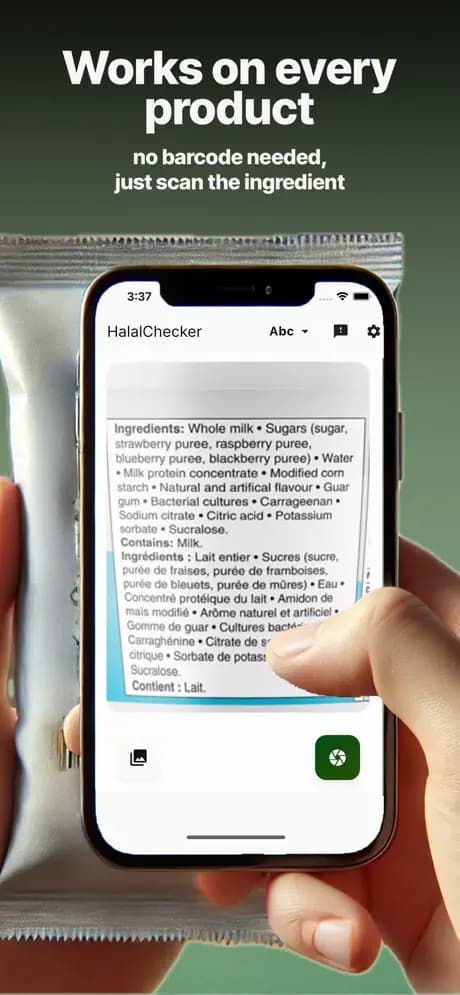
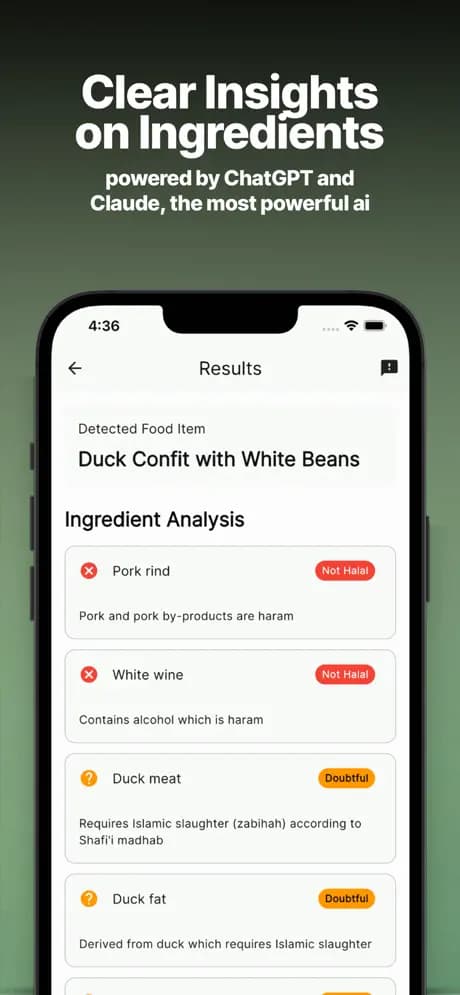
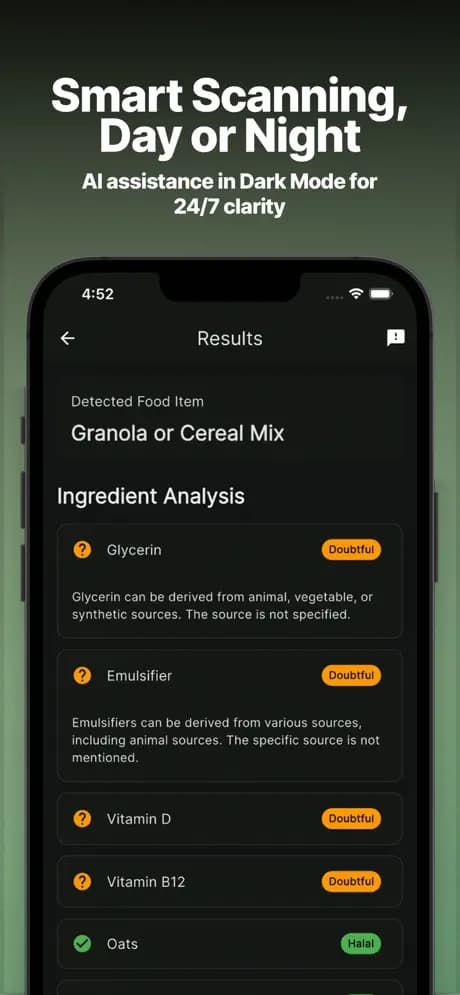
The safest approach for any packaged snack is to check the ingredient list before buying. HalalChecker AI can help you do this instantly — scan the ingredient list with your phone camera and get an AI-powered halal analysis in seconds.
Frequently Asked Questions
Is Pocky Chocolate halal in Japan?
No, Japanese-made Pocky Chocolate is not halal certified. The ingredients are mostly halal-friendly, but there is no official certification and no guarantee against cross-contamination with non-halal products.
Where can I buy halal Pocky?
Buy Pocky manufactured in Thailand or Indonesia. These carry halal certification logos. In Japan, check halal import stores. Outside Japan, Asian grocery stores often carry the Thai version.
Does Pocky contain gelatin?
Standard Pocky flavors (Chocolate, Strawberry, Matcha) do not contain gelatin. However, some limited-edition and mousse-coated varieties may contain pork gelatin. Always check the ingredient list.
Does Pocky contain alcohol?
Standard flavors do not list alcohol as an ingredient, but "flavoring" in Japanese products may use alcohol as a carrier. Wine-flavored and liqueur Pocky varieties explicitly contain alcohol and should be avoided.
Conclusion
Japanese-made Pocky is not halal certified, and Glico has no plans to pursue certification for its Japanese factories. The base ingredients in original flavors are mostly halal-friendly, but the lack of certification, undisclosed flavoring sources, and cross-contamination risk make it a gray area.
The safest option for Muslim consumers is to buy Thai or Indonesian Pocky with the halal certification logo. If you are in Japan and want to enjoy Pocky, stick to basic flavors and accept that it falls into a gray area without official certification.
For quick ingredient checking on any product while shopping, download HalalChecker AI. Our app scans food labels and analyzes ingredients using AI, helping you make informed halal food choices wherever you are.
🔍 Is Your Food Really Halal?
Don't guess - know for sure! Our free app scans food labels in seconds and tells you if ingredients are halal or haram. Perfect for shopping in non-Muslim countries. Join 100,000+ Muslims who trust HalalChecker AI for safer food choices.